About natural supplements · Jun 13, 2016
African healers used sutherlandia for centuries, science is finally catching up
This tough little southern African shrub has been soothing inflammation, supporting immunity, and calming stress for generations, and researchers are only now beginning to understand why it works.
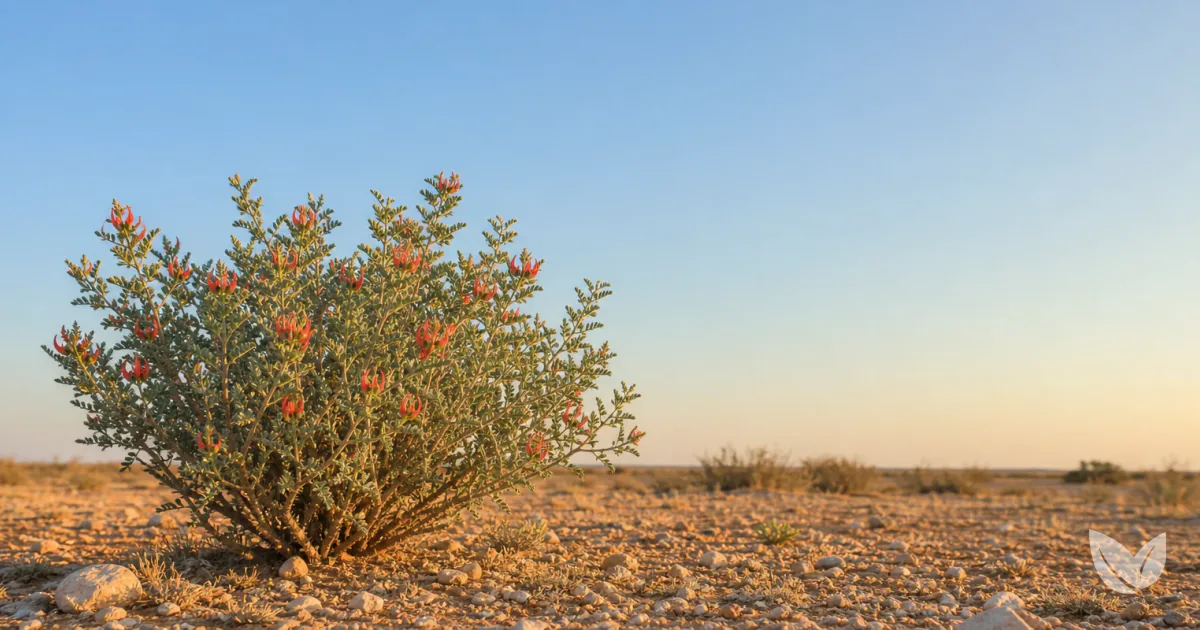
Sutherlandia frutescens is a medicinal plant with a long history of traditional use, and the science backs up what traditional healers have known for centuries. It helps calm inflammation, mop up the harmful free radicals that damage cells, and support the immune system. Studies in both animals and human volunteers show it’s well tolerated at recommended doses, with no significant toxicity reported.
How sutherlandia frutescens works: Multiple ways it supports immunity and calms inflammation
Sutherlandia frutescens is not a one-trick herb. It contains several active compounds, and they each do something slightly different, which is part of why this plant has such a broad traditional reputation.
Some of its compounds act like a wake-up call for the immune system. Specific sugars in the plant (polysaccharides) latch onto receptors on immune cells called macrophages, signalling them to get busy. This is useful when the body needs to respond to an infection or an abnormal cell.
Other compounds do the opposite, they help dial down inflammation when it’s already running too hot. Extracts of the plant reduce the production of inflammatory molecules in cells that are already inflamed. So rather than simply switching immunity on or off, Sutherlandia appears to read the situation and respond to it.
Interestingly, some of this anti-inflammatory effect comes from the plant’s chlorophyll, not just its more famous compounds. Chlorophyll directly reduces the oxidative stress that drives ongoing inflammation. The plant’s hot-water extract can also mop up damaging free radicals at very low concentrations, which is another route to keeping inflammation in cheque.
Pinitol, a small compound found in the leaves, reduces specific inflammatory signals, including some that are particularly relevant in chronic conditions. The plant’s unique signature molecules, sutherlandiosides and sutherlandins, also help here, though modestly, and they don’t appear to be the main drivers of the anti-inflammatory effect.
Finally, there’s the stress angle. A low dose of the plant extract given to rats before a stressful event prevented the stress-induced disruption of the body’s normal stress-response system, without causing sedation. So while traditional accounts often credit GABA (a calming brain chemical present in the leaves) for this effect, the research suggests the calming action works through a different mechanism entirely.
How to use sutherlandia safely and what the research actually shows
What the human safety studies tell us about dose
The clearest safety data we have comes from two human studies. In a proper randomised controlled trial, adults took 1,200 mg of dried Sutherlandia frutescens powder twice a day, 2,400 mg total daily, for six months, and it was as well tolerated as a placebo [17]. An earlier study in healthy adults used 800 mg a day with no serious problems, though the researchers were clear that we still need more work on how the body processes different doses [4]. In vervet monkeys, no signs of toxicity were seen at up to 80 mg per kg of body weight daily over three months [17].
How long can you use it?
The six-month human trial is the longest safety-monitored period we have in the research [17].
What the research actually shows about the immune system
The evidence is very strong in calming inflammation and reducing oxidative stress, essentially, helping the body handle the damage caused by too much inflammation [2, 3]. That’s the reason we use it in Allergy Formula.
What we’d recommend
Sutherlandia in Allergy Formula helps calm the itch and inflammation driving your dog’s allergies. It also helps to calm your pet during allergic outbreaks.
See the product
Frequently asked questions
What active compounds in Sutherlandia frutescens explain its anti-inflammatory effects?
Sutherlandia frutescens contains several compounds that work together to calm inflammation. Pinitol helps turn down the body’s production of inflammatory signals (TNF-α and IL-6). Chlorophyll, yes, the same stuff that makes the plant green, reduces the harmful molecules that trigger inflammation in immune cells. The plant’s water-based extracts also mop up damaging free radicals. It’s not one magic compound doing all the work; it’s the whole plant working together.
How does Sutherlandia frutescens affect the immune system?
Sutherlandia frutescens can both stimulate and calm the immune system depending on the dose and how the extract is prepared, which is exactly what you want from a good immune-support herb. Certain compounds switch on immune cells called macrophages, getting them ready to respond. At lower doses (like in Allergy Formula), the overall effect is gentle and balancing. At higher doses, it can dampen some of the loudest inflammatory signals.
Is Sutherlandia frutescens safe for long-term use in animals?
The safety record is reassuring. Vervet monkeys given 80 mg/kg of dried Sutherlandia powder daily for three months showed no ill effects, no blood work changes, nothing clinically concerning. In human trials running 24 weeks, tolerability was on a par with placebo. The only side effects reported in centuries of traditional use are occasional loose stools, a dry mouth, and mild diuresis. As always, use a quality product at sensible doses and don’t cut corners on sourcing.
Does Sutherlandia frutescens help with stress and anxiety?
There is real evidence here, not just folklore. In a rat study, a small dose of Sutherlandia extract (4 mg/kg body weight) given before a stressful event prevented the body’s stress-response system from being knocked out of balance, and it did this without causing any sedation. So the plant appears to support the body’s ability to handle stress without simply switching it off. Traditional healers have used it for anxiety for centuries; the research is starting to explain why.
How has Sutherlandia frutescens traditionally been used, and does the science support those uses?
South African traditional healers have used Sutherlandia frutescens for centuries, for cancer, ulcers, anxiety, arthritis, flu, and inflammation. They used leaves, flowers, stems, and roots, prepared differently depending on the condition. What strikes me is that the science has largely been playing catch-up: researchers investigated the plant because traditional use pointed the way, and the biochemistry has backed up a good number of those historical observations. That’s not always how it goes, so when it does, it’s worth paying attention.
Sources
- A review of the taxonomy, ethnobotany, chemistry and pharmacology of Sutherlandia frutescens (Fabaceae)
- Unveiling the anti-inflammatory activity of Sutherlandia frutescens using murine macrophages
- The antioxidant potential of Sutherlandia frutescens
- A Randomized, Double-Blind, Placebo-Controlled Trial of Lessertia frutescens in Healthy Adults
- Immuno-stimulatory activity of a polysaccharide-enriched fraction of Sutherlandia frutescens occurs by the toll-like receptor-4 signaling pathway
- An Investigation into the Immunomodulatory Activities of Sutherlandia frutescens in Healthy Mice
- L-Canavanine: a higher plant insecticidal allelochemical
- Effects of Sutherlandia Frutescens Extracts on Normal T-Lymphocytes In Vitro
- African herbal medicines in the treatment of HIV: Hypoxis and Sutherlandia. An overview of evidence and pharmacology
- Immuno-stimulatory activity of a polysaccharide-enriched fraction of Sutherlandia frutescens occurs by the toll-like receptor-4 signaling pathway
- The Immunomodulatory Effects of Sutherlandia Frutescens Extracts in Human Normal Peripheral Blood Mononuclear Cells
- An Investigation into the Immunomodulatory Activities of Sutherlandia frutescens in Healthy Mice
- Spotlight on ethnomedicine: usability of Sutherlandia frutescens in the treatment of diabetes
- Unveiling the anti-inflammatory activity of Sutherlandia frutescens using murine macrophages
- Sutherlandia frutescens: The Meeting of Science and Traditional Knowledge
- Consumption of Sutherlandia frutescens by HIV-Seropositive South African Adults: An Adaptive Double-Blind Randomized Placebo Controlled Trial
- Effects of Sutherlandia Frutescens Extracts on Normal T-Lymphocytes In Vitro
- Central and peripheral effects of Sutherlandia frutescens on the response to acute psychological stress