For dogs and cats · Nov 23, 2017
Your pet looks fine, but their body might be running short
From a cat’s heart quietly struggling without taurine to a Husky’s skin crying out for zinc, the nutrient gaps that really matter, and why a full food bowl doesn’t always mean a full bill of health.
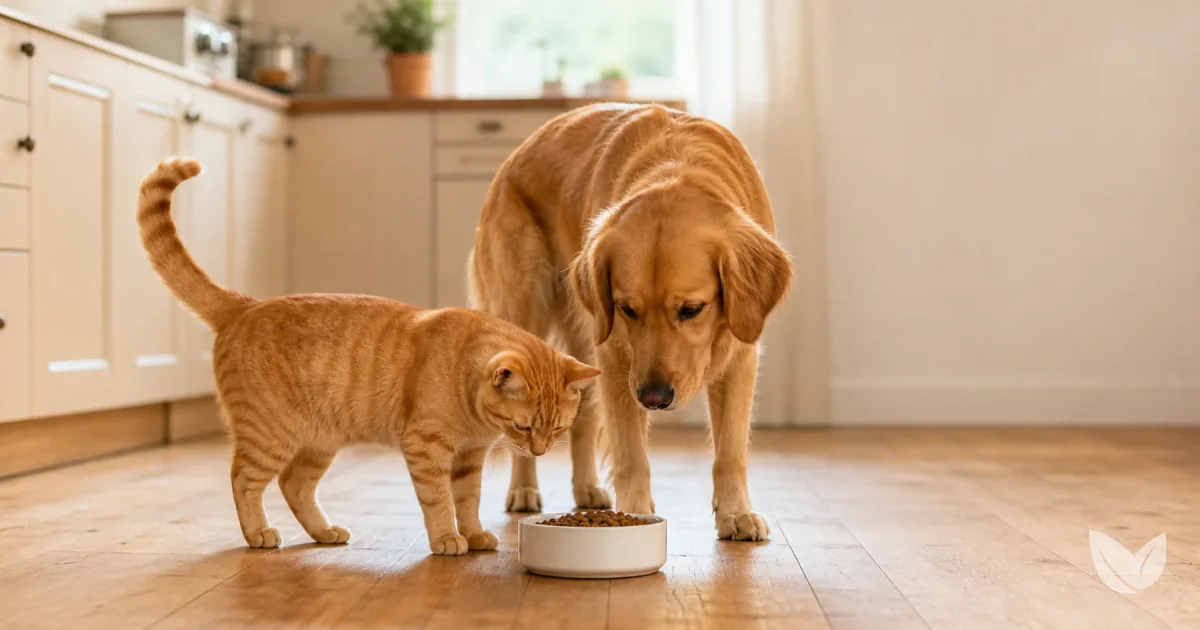
Nutrient deficiencies are a real risk in dogs and cats, and some are serious enough to cause heart failure, blindness, or worse. Cats can’t make their own taurine or get vitamin A from plants, so both have to come from animal-based food; without enough taurine, a cat’s heart and eyes can fail. Dogs can’t make enough vitamin D from sunshine the way we can, so it has to come from their diet. And don’t overlook thiamine, low levels in cats can cause neurological collapse, or zinc, which triggers severe skin disease, especially in breeds like Huskies and Malamutes.
Why these nutrients fail, and what breaks down when they do
Taurine sits at the top of my list for cats. Here’s the short version of why: cats simply cannot make enough of it themselves. Their bodies keep shunting the building blocks down the wrong chemical path, so very little taurine ever gets produced. On top of that, plant-based ingredients contain no taurine whatsoever, so any cat eating a diet that skimps on meat and fish is already running low before you’ve even thought about cooking losses.
When taurine runs short, two serious things happen. First, the heart muscle starts to fail, studies using cardiac ultrasound have shown that taurine-deficient cats develop a specific form of heart disease called dilated cardiomyopathy, where the heart enlarges and loses its pumping strength. Second, the retina at the back of the eye degrades, which can lead to blindness. The encouraging part is that supplementing with taurine at 500-1,000 mg/day produced clear improvement in 59% of affected cats, and one-year survival rates climbed from 13% to 58%. Taurine also plays a quieter but important role in helping the body digest fats and absorb fat-soluble vitamins, when it’s depleted, that process is compromised too.
Omega-3 fatty acids (EPA and DHA): dogs and cats cannot meaningfully convert the plant-based version of omega-3 (alpha-linolenic acid) into the forms the body actually uses. The conversion rate is simply too low in both species to count on. That means EPA and DHA need to come from fish oil, krill oil, or algae oil, sources that supply them ready-made. It’s also worth knowing the downsides: omega-3 supplementation at high doses can affect how blood clots, upset the stomach, slow wound healing, and, in poor-quality products, bring unwanted exposure to contaminants like mercury.
Vitamin A: cats can’t convert the orange plant pigment beta-carotene into vitamin A at all, they’re missing the gut enzyme that does that job. Both dogs and cats need preformed vitamin A from liver, fish oil, or synthetic sources. Get too little and you’re looking at night blindness and a painfully dry, damaged eye surface.
Vitamin D3: dogs can’t make useful amounts of vitamin D from sunlight the way humans can, they simply don’t have enough of the right precursor in their skin. So they rely entirely on getting vitamin D3 from food. In puppies fed poorly balanced home-cooked diets, deficiency has led to serious bone problems including fractures. But the upper limit matters just as much: too much vitamin D3, as little as 0.1 mg/kg, can cause dangerous calcium build-up in the blood, with potentially fatal damage to multiple organs.
Thiamine (vitamin B1): in cats, a shortage causes neurological signs, wobbly movement, head tremors, depression, and in serious cases, seizures or death. In dogs, it tends to show as loss of appetite, weakness in the hindquarters, seizures, and collapse. Raw fish diets are a particular risk here because raw fish contains an enzyme called thiaminase that actively destroys thiamine.
Zinc: deficiency in dogs shows up on the skin, scaling, crusting, thickened skin, and secondary infections. Alaskan Malamutes and Siberian Huskies are especially prone to a zinc-related skin condition that responds well to supplemental zinc at 2-3 mg/kg/day. Some inherited forms, such as the condition seen in white Bull Terriers, don’t respond to oral zinc at all.
Iron: in dogs and cats, iron-deficiency anaemia is usually caused by ongoing blood loss rather than a simple lack of iron in the diet. Internal parasites, hookworms in particular, are a common culprit. Young animals are most at risk because mother’s milk is very low in iron and newborns have almost no reserves to draw on.
How to use key nutrients correctly, doses and cautions the evidence actually supports
Taurine (cats)
If you’re feeding a home-cooked or plant-based diet, taurine supplementation isn’t a nice-to-have for a cat, it’s essential. Plant ingredients contain no taurine at all, and cats simply can’t make enough of it on their own. Their bodies take the building blocks that should become taurine and use them for something else instead, so the cat ends up short-changed no matter how carefully you construct the rest of the diet.
Zinc (dogs)
Some breeds, Alaskan Malamutes and Siberian Huskies especially, are genuinely prone to a skin condition that clears up once you add zinc to the diet. It shows up as crusty, scaly skin, and it responds well to supplemental zinc. That said, one form seen in white Bull Terriers (lethal acrodermatitis) doesn’t respond to oral zinc at all, which is exactly why you want a proper diagnosis before reaching for a supplement.
Vitamin A
This one catches a lot of cat owners out. Cats can’t convert beta-carotene, the plant form of vitamin A, into the real thing. They need preformed vitamin A, which comes from animal sources like liver or fish oil, or from synthetic vitamin A. Assuming a plant-rich diet covers their vitamin A needs is a mistake.
What we’d recommend
Fills the nutritional gaps, taurine, omega-3s, zinc, vitamin D3, iron, B vitamins, that even good commercial diets can leave behind.
See the product
Frequently asked questions
Can cats get enough taurine from a plant-based diet?
No, and this is one of the most serious risks if you’re home-feeding cats. Plant-based ingredients contain zero taurine, and cats simply can’t make enough of it themselves because a competing enzyme hijacks the process before taurine can be produced. Without enough taurine, cats can develop heart disease and lose their sight. Feed real meat, or supplement, there’s no way around this one.
Can taurine supplementation reverse heart disease in cats?
When the heart disease is caused by taurine deficiency, the results are genuinely encouraging. In one study, 59% of cats given taurine supplements showed real improvement, both in how they felt and in heart function tests, and their one-year survival rate was 58%, compared to just 13% in cats who weren’t supplemented. Many cats stayed stable on taurine alone, even after other heart medications were stopped. The sooner you act, the better.
Why can’t dogs just get vitamin D from sunlight like humans do?
Dogs simply don’t have enough of the skin compound that sunlight converts into vitamin D3, so unlike us, they can’t top up their levels just by going outside. Without enough vitamin D from their food, puppies in particular can end up with serious bone problems, including compression fractures. Vitamin D has to come from their diet or a supplement, sunshine won’t do the job.
Which dog breeds are most prone to zinc deficiency?
Alaskan Malamutes and Siberian Huskies are the ones most commonly affected, showing up with scaly, crusty skin and thickened patches. These breeds often respond well to oral zinc at around 2-3 mg/kg/day of elemental zinc. Worth knowing: white Bull Terrier lethal acrodermatitis looks similar but is a completely different inherited condition that doesn’t respond to zinc supplements at all, so breed and the full clinical picture both matter.
Why is fish oil not a straightforward fix for omega-3 deficiency in pets?
Fish oil does deliver EPA and DHA directly, which is exactly what dogs and cats need, they can’t convert plant-based omega-3s into a usable form. But fish oil isn’t without its downsides: it can affect blood clotting, upset stomachs, slow wound healing, and bring along unwanted passengers like mercury depending on the source. More isn’t always better, and the quality of the oil matters just as much as the dose.
What causes thiamine (vitamin B1) deficiency in cats and dogs?
The most common culprits are poorly formulated commercial diets, vegetarian diets, and raw fish, raw fish contains an enzyme called thiaminase that actively destroys thiamine before the body can use it. In cats, a shortage can cause wobbliness, head tremors, and in serious cases, seizures or even death. Dogs tend to go off their food, become depressed, and develop weakness in the back legs. It’s treatable if caught early, but neurological damage from a prolonged deficiency may not fully reverse.
Sources
- Nutritional Disorders of the Spinal Column and Cord in Animals – Merck Veterinary Manual
- Cutaneous Manifestations of Multisystemic and Metabolic Defects in Animals – Merck Veterinary Manual
- Echocardiographic evidence for myocardial failure induced by taurine deficiency in domestic cats
- Response of cats with dilated cardiomyopathy to taurine supplementation
- Cholecalciferol (Vitamin D3) Poisoning in Animals – Toxicology – Merck Veterinary Manual
- Anemia in Dogs – Dog Owners – Merck Veterinary Manual
- Dietary imbalances in a large breed puppy, leading to compression fractures, vitamin D deficiency, and suspected nutritional secondary hyperparathyroidism
- Nutritional Requirements of Small Animals – Merck Veterinary Manual
- Therapeutic Effect of EPA/DHA Supplementation in Neoplastic and Non-neoplastic Companion Animal Diseases: A Systematic Review
- Potential adverse effects of omega-3 Fatty acids in dogs and cats
- Impaired bile acid metabolism with defectives of mitochondrial-tRNA taurine modification and bile acid taurine conjugation in the taurine depleted cats
- Amino Acids in the Nutrition, Metabolism, and Health of Domestic Cats