Anxiety · Mar 7, 2023
Your dog’s aggression could come down to one missing nutrient
Research shows that low serotonin plays a real role in canine aggression, and what your dog eats can make a meaningful difference to their behaviour.
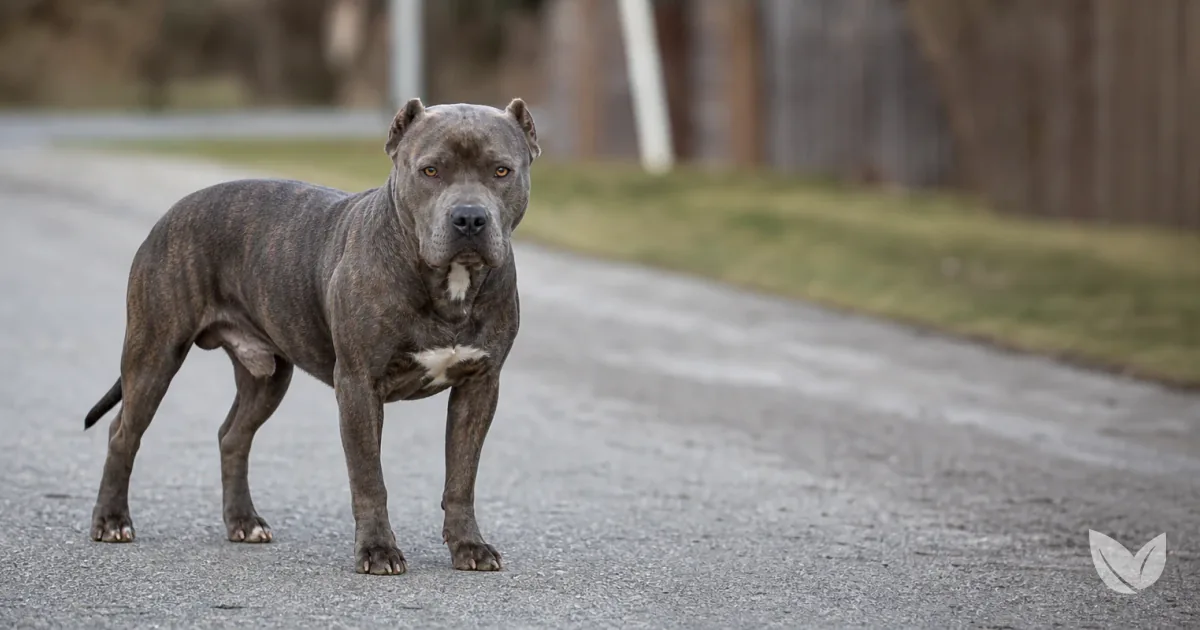
Yes, natural supplements can genuinely help take the edge off aggression in dogs, and there’s solid science behind why. Aggressive dogs often have disrupted serotonin activity in the brain, and certain genetic variants can push the odds of aggression up to ninefold. Tryptophan, which is simply what your dog’s body uses to make serotonin, has shown meaningfully lower aggression scores in supplemented dogs. The body doesn’t use all the tryptophan available at any one time, so topping it up through diet or supplements can actually make a real difference to serotonin levels. Neutering, on the other hand, shows no consistent effect on aggression.
Common misconception: Neutering an aggressive dog will sort the problem
I understand why this advice gets handed out so readily. Testosterone looks like the obvious culprit when a male dog is aggressive, and taking away the source sounds like a neat, logical fix. Vets recommend it, rescue organisations insist on it, and owners go ahead believing the problem is solved.
But the research tells a more complicated story. When scientists looked carefully, accounting for other factors that influence behaviour, they found no significant difference in aggression between neutered and intact dogs. Even more surprising, some studies found neutered dogs to be *more* aggressive than intact ones. The honest summary from the scientific literature is that the link between testosterone and canine aggression is, at best, inconclusive.
The reason comes down to brain chemistry. The main driver of aggression in dogs doesn’t appear to be testosterone at all, it’s the serotonin system, the same feel-good, mood-regulating chemical you’ll have heard about in humans. Aggressive dogs consistently show disruptions in how their brains handle serotonin, and certain inherited variants in serotonin-related genes can increase the likelihood of aggression by more than four times, sometimes as much as nine times, compared to dogs without those variants. Castration simply doesn’t reach any of that.
I’m not arguing against neutering across the board, it has real benefits in other contexts. But telling owners it will fix aggression is misleading, and it can leave them completely blindsided when their newly neutered dog is still dangerous, or has got worse. The serotonin system is where the real work needs to happen.
How low serotonin drives aggression, and how nutrients can shift it
Serotonin is the chemical at the heart of canine aggression, and the research is pretty clear on this. Aggressive dogs show real, measurable disruptions in how their brains handle serotonin, and certain genetic variants linked to the HTR1D, HTR2C, and SLC6A1 genes are directly tied to aggressive behaviour. Dogs carrying the riskier versions of these genes are anywhere from 4.4 to 9.0 times more likely to show aggression than those with the protective variants. It’s why drugs like fluoxetine, an SSRI that keeps more serotonin available in the brain, have shown real results in managing dominance-related aggression in dogs.
The testosterone story, on the other hand, is far murkier than the industry likes to admit. Some studies suggest neutering reduces aggression; others have found neutered dogs to actually be *more* aggressive. When researchers controlled properly for other factors, there was no clear difference between neutered and intact dogs at all. I don’t think castration is the neat fix it’s often sold as.
What I find genuinely compelling is the tryptophan–serotonin connection through diet. Here’s the simple version: tryptophan is what the brain uses to make serotonin, and the enzyme responsible for that conversion is only working at about half its potential capacity under normal conditions. That means giving the brain more tryptophan to work with can actually push serotonin levels up. A landmark study published in *JAVMA* found that dogs with dominance aggression behaved worst on high-protein diets with no tryptophan supplementation, and significantly better when tryptophan was added to a lower-protein diet. Two separate placebo-controlled trials have since added to that picture, showing moderate evidence that tryptophan supplementation helps reduce anxiety-related behaviour in dogs too.
How to use tryptophan and related nutrients to support a calmer dog
What the evidence supports
The clearest practical signal in the research is that tryptophan and diet work best *together*, not tryptophan on its own. A landmark study published in the JAVMA found that dogs with dominance aggression were calmer when fed a lower-protein diet *with* tryptophan supplementation. The high-protein-no-supplement group? Highest aggression scores. And low-protein without the supplement didn’t cut it either [6]. So if your dog is eating a very high-protein diet, adding a tryptophan supplement alone may not be enough, the other amino acids flooding in from all that protein essentially crowd tryptophan out before it can reach the brain to do its job.
Here’s why tryptophan can make a real difference when the conditions are right: the enzyme in the brain that turns tryptophan into serotonin is only running at about half capacity under normal circumstances [8]. That means there’s genuine room to nudge serotonin production upwards simply by making more tryptophan available, no exotic biochemistry required.
Two proper placebo-controlled trials also found that tryptophan supplementation helped reduce anxious behaviour in adult dogs [7]. The body of research is still relatively small, but the results point in a consistent direction.
Timing and duration
The pharmaceutical research gives us a useful reference point here. Studies on SSRIs, the conventional drug option for aggression, show noticeable improvement within a month and full effect by two months of daily use [3]. I apply the same thinking to nutritional support: don’t write it off after a week. Give it a solid four to eight weeks of consistent daily use before you decide whether it’s helping.
Supplements are not a standalone solution
Nothing in the research supports the idea that nutrition alone fixes serious aggression. Even SSRIs are only studied alongside behaviour modification [3]. Tryptophan addresses one piece of what is a genuinely complicated picture [1]. Use nutritional support as part of a wider plan, not as a substitute for proper behavioural assessment from a qualified professional.
What we’d recommend
Gives your dog’s brain more of what it needs to stay calm, starting with tryptophan, the building block for serotonin.
See the product
Frequently asked questions
Does neutering an aggressive dog actually reduce aggression?
Honestly? The evidence is far murkier than many vets let on. Some studies suggest neutering can calm aggression down, but others have found neutered dogs are actually *more* aggressive. When researchers controlled properly for other factors, there was no meaningful difference between neutered and intact dogs. Neutering has its place, but it’s not the reliable behaviour fix it’s so often sold as.
Is there a link between serotonin and aggression in dogs?
Yes, and this is where the science gets genuinely interesting, even if we keep it simple. Aggressive dogs show measurable differences in how their brains handle serotonin, the ‘calm and content’ chemical. Certain genetic variants linked to serotonin have been found to increase a dog’s odds of aggression by 4.4 to 9 times compared to dogs without those variants. Low serotonin really does appear to be a real driver of aggressive behaviour.
Can tryptophan supplementation reduce aggression or anxiety in dogs?
There’s good reason to think so. A well-regarded study published in JAVMA found that dogs prone to dominance aggression scored noticeably better when fed a tryptophan-supplemented diet. Two separate placebo-controlled trials also found tryptophan helped reduce anxious behaviour. Why does it work? Tryptophan is what the brain uses to make serotonin, and the enzyme that does that conversion is only working at about half capacity under normal conditions, so giving it more raw material can genuinely help lift serotonin levels.
Why do vets prescribe SSRIs like fluoxetine for aggression if natural options exist?
SSRIs do work, fluoxetine combined with behaviour modification showed real improvement in dominance-related aggression within a month, and most dogs responded fully within two months. But here’s the thing: no drug is actually licensed specifically for dog aggression, and the research on long-term effects is still pretty thin. Natural approaches that target the same serotonin pathway are worth taking seriously, at the very least alongside medication, and in many cases before reaching for it.
Sources
- Association of dopamine- and serotonin-related genes with canine aggression
- Aggression toward Familiar People, Strangers, and Conspecifics in Gonadectomized and Intact Dogs
- Behavioral Therapy and Fluoxetine Treatment in Aggressive Dogs: A Case Study
- Veterinary drug therapies used for undesirable behaviours in UK dogs under primary veterinary care
- Effect of dietary protein content and tryptophan supplementation on dominance aggression, territorial aggression, and hyperactivity in dogs
- In adult dogs is supplementary tryptophan in the diet effective in reducing signs of anxiety?
- The effect of graded concentrations of dietary tryptophan on canine behavior in response to the approach of a familiar or unfamiliar individual