Depression · Mar 15, 2012
Dogs and cats experience real depression, and owners too often miss it
The neurobiology is clear: chronic stress rewires your pet’s brain chemistry, yet the signs are easy to dismiss as laziness or ageing.
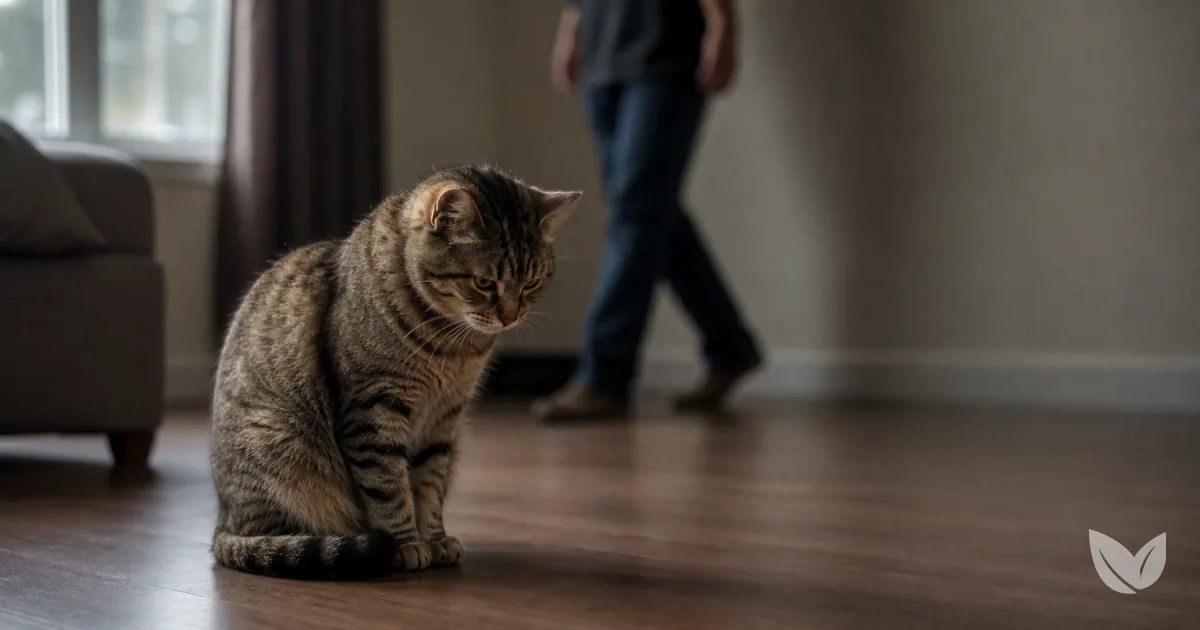
Yes, dogs and cats can experience depression-like states. Stress, social isolation, and loss of a companion can produce behavioural withdrawal, anhedonia, and neurochemical changes, including altered dopamine, serotonin, and HPA-axis activity, that parallel human depression. Underlying medical conditions such as hypothyroidism can also present as apathy and mental dullness. Treatment follows a tiered approach: behavioural management, modification, and where necessary, medication to reduce the intensity of the emotional state.
Animals don’t really get depressed, they’re just “being animals”
I hear this constantly, and it frustrates me every time. The assumption is that depression is a uniquely human experience, that when a dog stops eating, withdraws from the family, and lies motionless for hours, it’s simply “resting,” or that a cat who stops grooming and loses interest in play is just maturing. People mean well, but this dismissiveness delays intervention and causes real suffering.
Here’s what the science actually shows. Social isolation and loss of companions activate the hypothalamic-pituitary-adrenal (HPA) axis in animals, shifting dopamine, serotonin, and GABA levels in ways that mirror the neurochemistry of depression in humans [4]. Animal models have consistently produced states of anhedonia, behavioural withdrawal, and despair-like responses under stress conditions, changes that are biologically consistent with depression, not mere tiredness [3]. Chronic stress in dogs and cats triggers the same HPA and sympathetic-adrenal medulla pathways, and when activation becomes prolonged, the consequences include not just mood changes but measurable cardiovascular, gastrointestinal, and immune dysfunction [5].
Now, I’ll be fair: researchers are careful not to simply label these states “clinical depression” in the human diagnostic sense, that equivalence hasn’t been fully established [1]. And some owner reports of “depressed” cats may reflect misreading normal feline inactivity rather than a genuine problem [2]. Those caveats matter. But “not fully characterised” is a long way from “doesn’t exist.” Veterinary literature explicitly recognises apathy, lethargy, and depression-like states as real behavioural consequences of both stress and underlying medical conditions such as hypothyroidism [6]. The Merck Veterinary Manual covers pharmacological treatment of these emotional states as standard veterinary practice [7].
So no, your dog or cat is not “just being an animal” when their behaviour changes dramatically after a bereavement, a move, or prolonged isolation. Take it seriously, and investigate accordingly.
How stress and low mood take hold in dogs and cats
When a dog or cat experiences a stressor, loss of a companion, separation from their owner, or chronic environmental pressure, the body’s hypothalamic-pituitary-adrenal (HPA) axis activates alongside the sympathetic-adrenal medulla axis. This stress-response cascade, when sustained, drives oxidative damage and disrupts normal behaviour, including cardiovascular, gastrointestinal, and immune function.
At the neurochemical level, social isolation stress in particular has been shown to alter levels of dopamine, serotonin, and GABA, the same neurotransmitter systems implicated in depression and anxiety in humans. Animal models demonstrate that chronic stress produces anhedonia (loss of pleasure), behavioural withdrawal, and despair-like states that mirror the neurobiology of human depression.
Physical illness compounds this picture. Conditions such as hypothyroidism and epilepsy are associated in veterinary literature with apathy, lethargy, and mental dullness, a recognised overlap between medical state and mood that is still not fully characterised.
In dogs specifically, prolonged inactivity and unresponsiveness following loss of a social companion have been observed and are commonly described as depression, though researchers note this has not yet been definitively confirmed as clinically equivalent to human depression. In cats, separation-related problems are associated with owner-perceived depression-apathy in roughly half of affected animals.
How to respond when your pet shows signs of depression or withdrawal
The research is clear that depression-like states in dogs and cats are real, biological, and treatable, but the right response depends on identifying what is driving the problem. Here is how to work through it systematically.
Step 1: Rule out a medical cause first
Behavioural changes including apathy, lethargy, and mental dullness can be symptoms of underlying medical conditions such as hypothyroidism. Do not reach for a behavioural or nutritional intervention until a vet has excluded physical illness. This is not optional, it is the correct order of operations.
Step 2: Address the environment and social triggers
Social isolation and loss of a companion (human or animal) are recognised triggers for HPA axis activation and the neurochemical changes, reduced dopamine, serotonin, and GABA, that underlie depression-like behaviour. Before anything else, ask what has changed: a house move, a bereavement, a change in the owner’s working pattern. Where the trigger is identifiable, removing or mitigating it is the most direct intervention available.
Step 3: Use a structured treatment framework
Veterinary behavioural medicine organises treatment into three tiers that should typically be applied together rather than in sequence:
– Management, meeting the animal’s core behavioural and social needs, reducing exposure to the stressor.
– Behaviour modification, retraining responses to triggers through structured techniques.
– Medication or supplementation, to reduce the intensity of the emotional state where management and modification alone are insufficient.
A nutritional or herbal approach such as Serenity Formula sits within the third tier, as a first option when the problem is mild-to-moderate or when owners prefer a natural route before pharmaceutical intervention.
When pharmaceutical medication is considered
Modern veterinary antianxiety and antidepressant medications are generally well tolerated; the most commonly reported side effects are gastrointestinal upset and initial lethargy. These medications were developed for human use and have limited formal approval for animals, so individual responses vary. Discuss risk and benefit with your vet before starting any pharmaceutical course.
What the research does not yet support
No notes in this pool provide specific dosing schedules, treatment durations, or contraindications for nutritional or herbal interventions in pets. I will not invent those figures. Follow the product label and your vet’s guidance for Serenity Formula specifically.
What we’d recommend
Herbal blend with calming nutrients to support anxious or withdrawn pets without drowsiness.
See the product
Frequently asked questions
Can dogs and cats actually get depressed, or is it just how owners interpret their behaviour?
There is genuine biological plausibility here. Animal studies show that stress can produce anhedonia, behavioural withdrawal, and neurotransmitter changes, in dopamine, serotonin, and GABA, that closely mirror human depression. That said, researchers are careful to note that apathy and inactivity in dogs and cats haven’t been definitively confirmed as clinical depression in the way we understand it in humans. The honest answer is: something real is happening, but the label is still being worked out.
What causes depression or low mood in pets?
Both physical and emotional triggers are documented. Social isolation alters HPA-axis activity and neurotransmitter levels in ways consistent with depression. Separation from an owner or companion animal is a well-recognised trigger in cats. Medical conditions, including hypothyroidism, are also directly linked to apathy, lethargy, and behavioural withdrawal in dogs and cats. So ruling out an underlying illness first is not optional; it’s the starting point.
What are the signs of depression in a dog or cat?
In dogs, prolonged waking inactivity and unresponsiveness, particularly after losing a social companion or being separated from an owner, are the most documented signs. In cats, owner-reported depression-apathy occurs in roughly half of cats identified with separation-related problems, alongside reduced appetite, loss of interest in play, and decreased grooming. The caveat: some of this can reflect normal feline sleep patterns, so context matters.
Can chronic stress in pets cause physical health problems, not just behavioural ones?
Yes. Chronic activation of the stress-response axes in dogs and cats leads to oxidative damage and measurable dysfunction across the cardiovascular, gastrointestinal, and immune systems. Behavioural abnormalities tend to be the visible signal, but the underlying physiology is systemic. This is why prolonged, unaddressed stress in a pet is a welfare problem, not just a training inconvenience.
When does a depressed or anxious pet need to see a vet?
Whenever a medical cause hasn’t been ruled out, conditions such as hypothyroidism can present as pure behaviour change. Beyond that, the Merck Veterinary Manual’s three-tier framework is useful: start with management (meeting the animal’s behavioural needs), move to behaviour modification, and consider medication when emotional intensity is high enough to block progress. Veterinary psychopharmacology is a legitimate tool and, when indicated, improves both quality of life and lifespan.
Is there any evidence that having a pet helps humans with depression?
There is, and it’s stronger than most people expect. A controlled study of 66 patients with treatment-resistant major depressive disorder found that those who adopted a pet showed significantly better depression ratings and higher remission rates than matched controls. A separate meta-analysis of randomised controlled trials found dog-assisted activities produced measurable improvements across validated depression scales. The AVMA attributes part of the mechanism to oxytocin release during human-animal bonding.
Sources
- Could Greater Time Spent Displaying Waking Inactivity in the Home Environment Be a Marker for a Depression-Like State in the Domestic Dog?
- Identification of separation-related problems in domestic cats: A questionnaire survey
- The Recent Progress in Animal Models of Depression
- Neurobiology and consequences of social isolation stress in animal model
- Dietary Strategies for Relieving Stress in Pet Dogs and Cats
- A Review of Medical Conditions and Behavioral Problems in Dogs and Cats
- Treatment of Behavior Problems in Animals
- Behavior Modification in Dogs
- AVMA, American Psychiatric Association leaders discuss mental health benefits of pets
- Pets enhance antidepressant pharmacotherapy effects in patients with treatment resistant major depressive disorder
- Do animal-assisted activities effectively treat depression: a meta-analysis